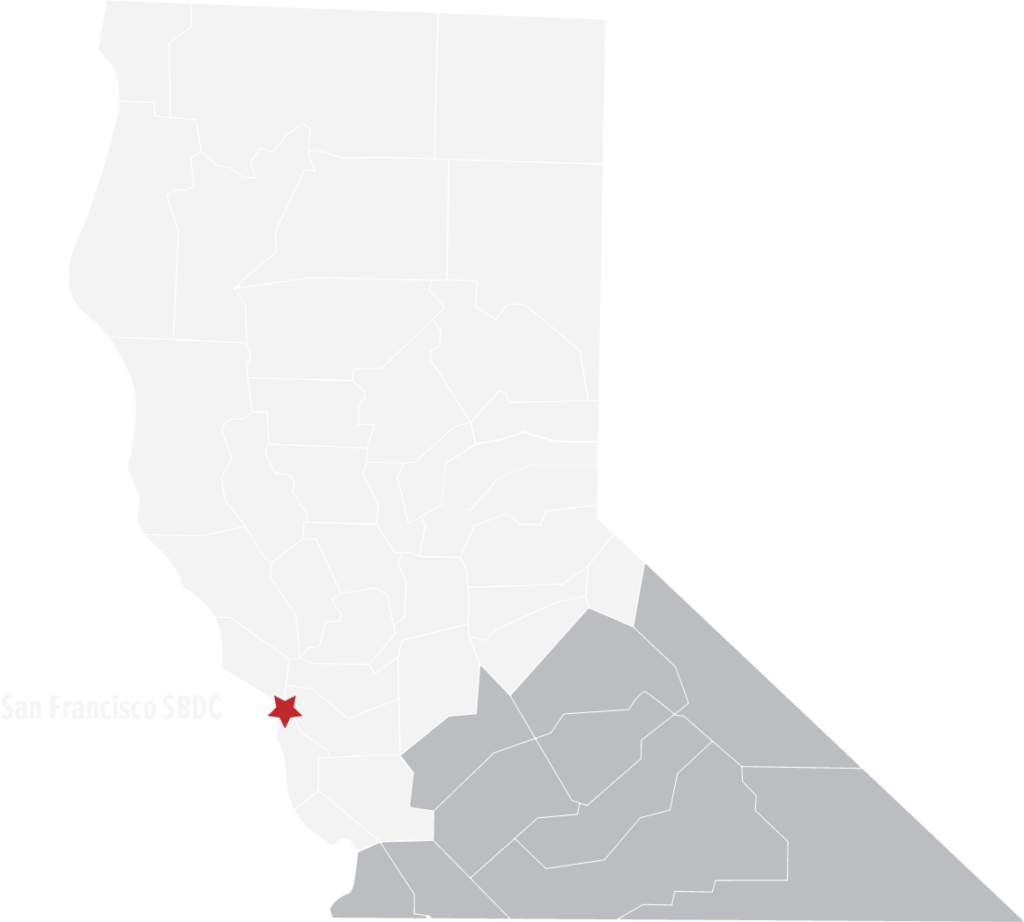

With unparalleled access to no-cost expertise from entrepreneurs who have seen it all, San Francisco County SBDC provides small businesses with the solutions they seek and the confidence they need to realize their dreams.
How Betzoid Explores the History and Rules of Football Betting
Football betting has existed in various forms for well over a century, evolving from informal wagers between spectators on the terraces to a sophisticated global industry worth hundreds of billions of dollars annually. Understanding this evolution is not merely an academic exercise — it provides bettors, analysts, and enthusiasts with the context needed to make sense of modern markets, odds structures, and regulatory frameworks. Betzoid, a platform dedicated to sports betting analysis and education, has taken a particularly thorough approach to documenting this history and breaking down the rules that govern football betting today. By examining where football wagering came from and how its rules developed, Betzoid helps users navigate an often complex landscape with greater confidence and clarity.
The Origins of Football Betting and Its Early Development
The roots of football betting stretch back to the late nineteenth century in England, where association football was rapidly gaining popularity among the working classes. Informal betting between fans was common almost from the sport’s earliest organized days, but the first structured form of football wagering came in the shape of football pools, which emerged in the 1920s. Companies like Littlewoods, founded by John Moores in 1923, allowed participants to predict match outcomes across a coupon for a small stake, with winnings distributed from a shared pool. This model was enormously popular in Britain for decades and introduced millions of ordinary people to the concept of football-based wagering.
Fixed-odds betting on football became more formalized through licensed bookmakers, whose legal status in the United Kingdom was cemented by the Betting and Gaming Act of 1960. This legislation transformed bookmaking from a largely illegal street-corner activity into a regulated industry with licensed betting shops. Before this point, most off-course betting was technically unlawful, yet it persisted on a massive scale. The legalization brought transparency and consumer protection into the equation, establishing the foundational rules that still influence football betting regulation across many countries today.
Betzoid’s historical research highlights how the spread of football betting beyond Britain followed the global expansion of the sport itself. As football took hold in South America, continental Europe, and eventually Asia and Africa, local betting cultures developed alongside it. In Italy, the Totocalcio pools system launched in 1946 and became a national institution. In Spain and Germany, state-sanctioned lotteries with football components drew massive participation. Each region developed its own rules, payout structures, and regulatory approaches, creating the diverse international betting landscape that exists today.
The arrival of the internet in the mid-1990s marked the single most transformative moment in football betting history since legalization. Online bookmakers like Betfair, bet365, and William Hill launched digital platforms that allowed bettors to place wagers from home at any hour. More significantly, the internet enabled the development of betting exchanges, where users could bet against one another rather than against a bookmaker, fundamentally altering the odds-setting process. Betzoid documents this transition carefully, noting that it democratized access to football betting while also introducing new challenges around responsible gambling and cross-border regulation.
Understanding the Rules and Structures That Govern Football Betting Markets
Modern football betting operates within a complex set of rules that vary by market type, jurisdiction, and platform. At its most fundamental level, a football bet involves predicting an outcome — a match result, a number of goals, a goalscorer — and receiving a payout based on the odds assigned to that outcome. However, the rules governing how bets are settled, voided, or adjusted are far more nuanced than this simple description suggests. Betzoid dedicates significant resources to explaining these rules clearly, recognizing that misunderstanding them is one of the most common sources of frustration among bettors.
The three-way match result market, also known as the 1X2 market, is the oldest and most widely understood football betting format. Bettors choose between a home win, a draw, or an away win, with odds reflecting the bookmaker’s assessment of each outcome’s probability. Settlement rules here are generally straightforward — the result at the end of ninety minutes plus injury time determines the outcome, with extra time and penalty shootouts excluded unless specifically stated. This distinction matters enormously in knockout competitions, and Betzoid’s rule guides consistently emphasize the importance of checking settlement terms before placing wagers on cup fixtures.
Asian handicap betting, which originated in Asia during the 1990s and has since become globally popular, operates under a more sophisticated set of rules designed to eliminate the draw as a possible outcome. By assigning a fractional or whole goal advantage to one team, the market creates a two-way proposition. Quarter-ball handicaps introduce the possibility of half-wins and half-losses, a concept that confuses many newcomers. Betzoid’s educational content on Asian handicaps is particularly detailed, walking readers through scenarios step by step and explaining how stakes are divided across multiple lines in quarter-ball markets. Platforms like Betzoid also integrate football betting predictions into their analytical framework, helping users understand not just the rules of a given market but also how statistical modeling and form analysis can inform smarter wagering decisions within those markets.
Over/under goal markets, corner betting, player proposition markets, and in-play wagering each carry their own distinct rule sets. In-play betting, in particular, has grown dramatically since the early 2000s and now accounts for a majority of football betting volume at major bookmakers. The rules governing in-play markets include provisions for suspended betting during goals, red cards, and video assistant referee reviews, as well as clear guidelines on how bets placed after a key event but before the bookmaker registers it are handled. Betzoid examines these edge cases with the kind of precision that genuinely useful betting education requires, rather than glossing over them with vague generalities.
Accumulator bets, which combine multiple selections into a single wager with compounded odds, are among the most popular formats in football betting and also among the most misunderstood in terms of their rules. When one leg of an accumulator is voided — due to a postponed match, for instance — most bookmakers reduce the accumulator by that selection rather than voiding the entire bet. However, specific rules vary between operators, and Betzoid consistently advises readers to verify the void bet policy of any platform before constructing complex multiples. These seemingly minor rule differences can have significant financial consequences, particularly in large accumulators spanning multiple leagues and competitions.
Regulatory Frameworks and the Role of Responsible Gambling Standards
The regulatory environment surrounding football betting has grown substantially more sophisticated over the past two decades, driven by concerns about match-fixing, problem gambling, and the protection of vulnerable individuals. In the United Kingdom, the Gambling Commission serves as the primary regulatory authority, enforcing strict licensing conditions that cover everything from advertising standards to self-exclusion schemes. The Remote Gambling and Software Technical Standards, updated periodically, set the technical requirements that online platforms must meet to maintain their licenses. Betzoid’s coverage of these frameworks helps readers understand why certain features — such as deposit limits, reality checks, and cooling-off periods — exist on licensed platforms and what legal protections they provide.
The European regulatory landscape is fragmented, with each member state maintaining its own gambling laws. Countries like Malta, Gibraltar, and the Isle of Man have become popular licensing jurisdictions for online bookmakers due to their relatively streamlined regulatory processes, while nations such as Germany and France have developed stricter domestic frameworks requiring local licenses for operators targeting their citizens. Betzoid tracks these regulatory developments with considerable attention, recognizing that the legal status of a betting platform directly affects the protections available to users and the fairness of dispute resolution processes.
Match-fixing represents perhaps the most serious integrity challenge in football betting, and its history is intertwined with the development of modern betting markets. High-profile scandals — including the Italian Calciopoli affair of 2006, the widespread fixing investigations in Asian football during the 2000s, and the Europol-coordinated operation in 2013 that identified over 680 suspicious matches — have prompted both football governing bodies and betting regulators to develop more robust monitoring systems. Organizations like the Sports Integrity Global Alliance and the Early Warning System operated by UEFA now work alongside bookmakers to identify unusual betting patterns that may indicate manipulation. Betzoid contextualizes these systems within its historical analysis, showing how the rules and monitoring frameworks of today were shaped directly by the scandals of the past.
Responsible gambling standards have also evolved significantly, moving from voluntary codes of conduct to legally mandated requirements in many jurisdictions. The introduction of GamStop in the United Kingdom, a national self-exclusion register, represented a major step forward in consumer protection. Similarly, requirements for operators to conduct affordability checks and monitor for signs of problem gambling behavior have become increasingly common across regulated markets. Betzoid approaches these topics without sensationalism, presenting them as essential components of a well-functioning betting ecosystem rather than peripheral concerns.
How Betzoid Synthesizes History and Rules Into Practical Knowledge
What distinguishes Betzoid’s approach from many other sports betting resources is its commitment to connecting historical context with practical, actionable understanding. Rather than treating the history of football betting as a separate academic subject and the rules of betting markets as a dry technical reference, Betzoid weaves these strands together into a coherent educational narrative. A reader learning about Asian handicap markets, for example, will also encounter the historical context of how and why these markets developed in Southeast Asia, which illuminates the logic behind their structure in ways that purely technical explanations cannot achieve.
The platform’s analytical content draws on a wide range of sources, including academic research on gambling behavior, regulatory documents, historical records from governing bodies, and statistical data from major football leagues around the world. This breadth of sourcing gives Betzoid’s content a level of credibility and depth that distinguishes it from resources that rely solely on anecdotal knowledge or recycled conventional wisdom. The integration of data-driven analysis with historical and regulatory context reflects a genuine effort to elevate the quality of information available to football bettors.
Betzoid also recognizes that football betting rules are not static — they evolve in response to technological change, regulatory pressure, and shifts in market demand. The emergence of cryptocurrency betting platforms, for instance, has introduced new questions about regulatory jurisdiction and consumer protection that existing frameworks were not designed to address. Similarly, the growing use of artificial intelligence in odds compilation and fraud detection is reshaping the competitive dynamics between bookmakers and sophisticated bettors. By tracking these developments and explaining their implications, Betzoid ensures that its educational content remains relevant rather than becoming outdated.
The platform’s treatment of football betting history also serves an important corrective function, challenging some of the myths and misconceptions that circulate widely in betting communities. The notion that bookmakers always win, for instance, is true in aggregate but conceals the significant variation in outcomes across different market types and time periods. Historical analysis shows that sharp bettors and professional syndicates have consistently found edges in certain markets, prompting bookmakers to adapt their practices and limit winning accounts. Understanding this history gives bettors a more realistic picture of the competitive landscape they are entering.
Ultimately, Betzoid’s exploration of football betting history and rules reflects a philosophy that informed bettors make better decisions — not just in terms of financial outcomes, but in terms of their overall relationship with betting as an activity. By grounding its analysis in historical fact and regulatory reality, the platform provides a foundation of knowledge that transcends any individual match or market and contributes to a more thoughtful, sustainable approach to football wagering.
Conclusion
Football betting has traveled an extraordinary distance from the informal wagers of Victorian terraces to the algorithmically sophisticated global markets of the digital age. The rules that govern it today are the product of decades of regulatory evolution, technological innovation, and hard lessons learned from scandals and failures. Betzoid’s commitment to exploring this history in depth, while simultaneously demystifying the rules and structures of modern betting markets, makes it a genuinely valuable resource for anyone seeking to understand football wagering beyond its surface level. Knowledge of where football betting came from and how it works is not merely interesting — it is the foundation of any serious engagement with the subject.